Designing a comfortable, functional bathroom in a compact space is a challenge, but with the right strategies, small bathrooms can feel open and inviting. This guide delivers small bathroom ideas grounded in professional design principles, practical tips, and reliable, long-lasting solutions to boost storage, lighting, and layout while maintaining durability and style. The guidance here reflects EEAT: expertise from seasoned designers, trustworthy product recommendations, and a methodical approach to measuring and planning.
Smart Layout Ideas for Small Bathrooms
Begin with a precise plan. Measure door swings, shower footprint, and vanity width. Aim for at least 32 inches of unobstructed walkway and comfortable knee space beneath a sink. The most effective layouts maximize vertical space and minimize clutter, which visually expands the room and reduces daily friction.
Maximize Vertical Space
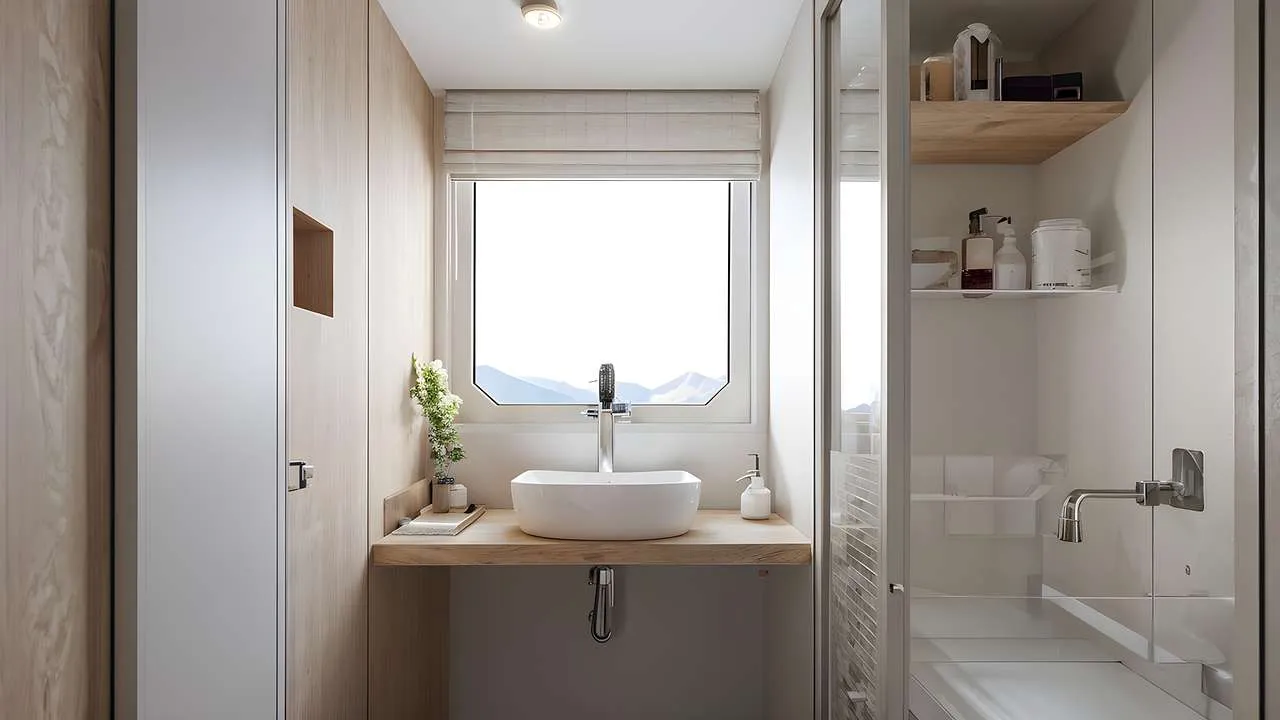
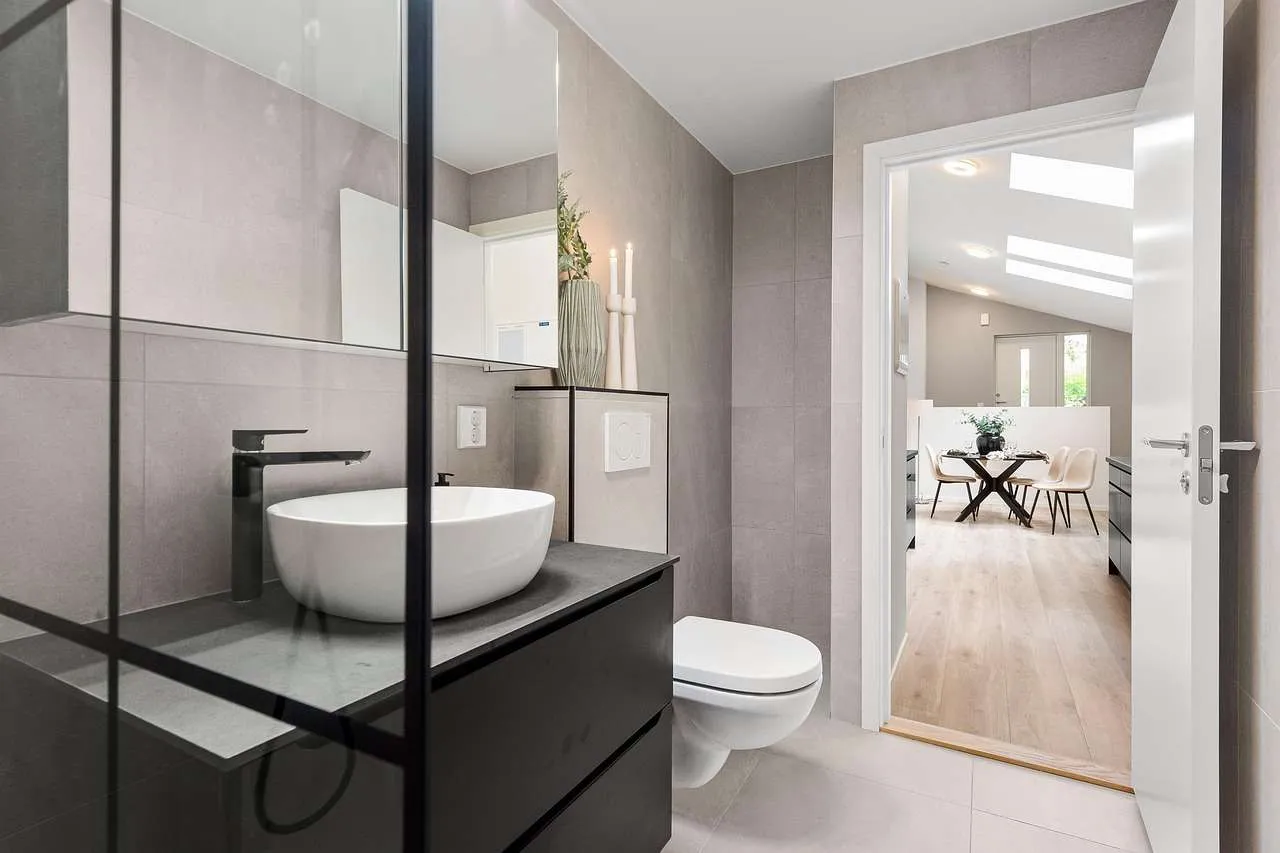
Install high, slim storage such as tall medicine cabinets and recessed niches. Floating vanities create air beneath the cabinetry, making the floor feel larger and easier to clean. When possible, push elements toward walls to keep the center open for movement.
Light, Color, and Mirrors
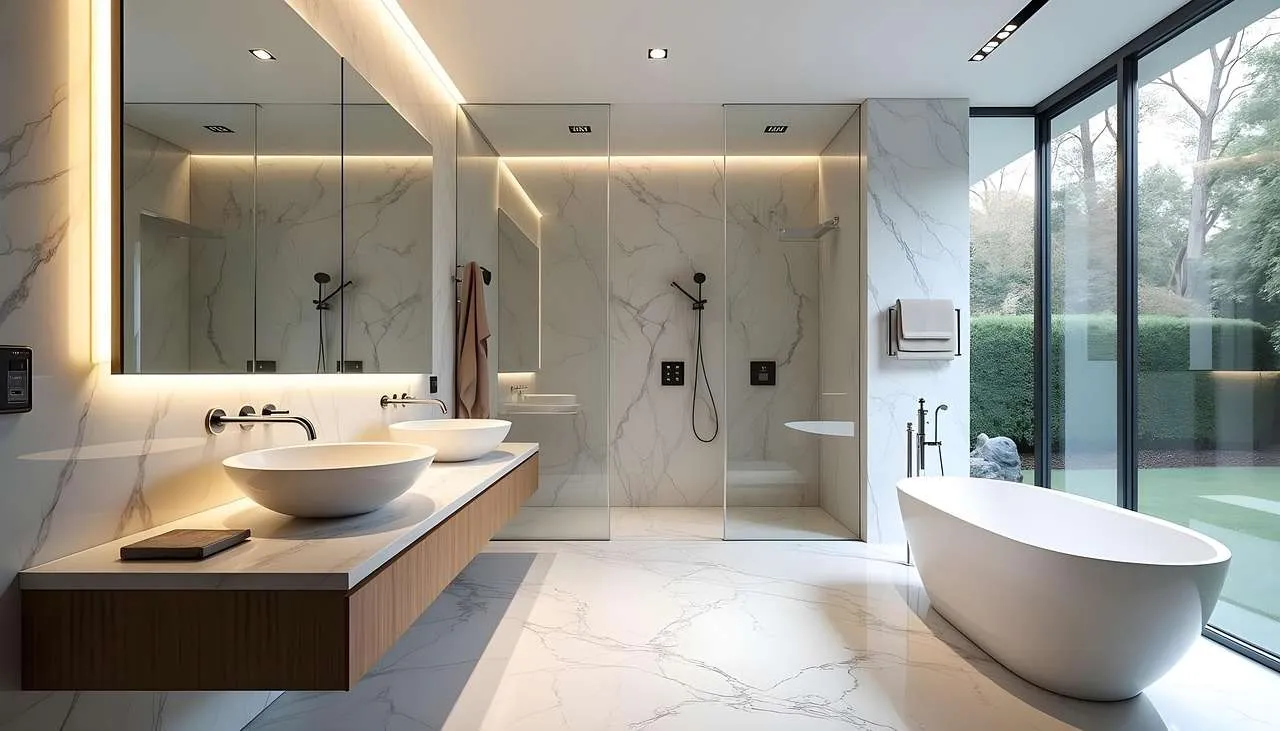
Choose light neutrals or cool tones paired with reflective surfaces. Large mirrors or mirrored cabinets bounce light, instantly widening the sense of space. Use consistent grout lines and a glossy finish on tile or glass to enhance brightness without glare.
Shower and Bath Options
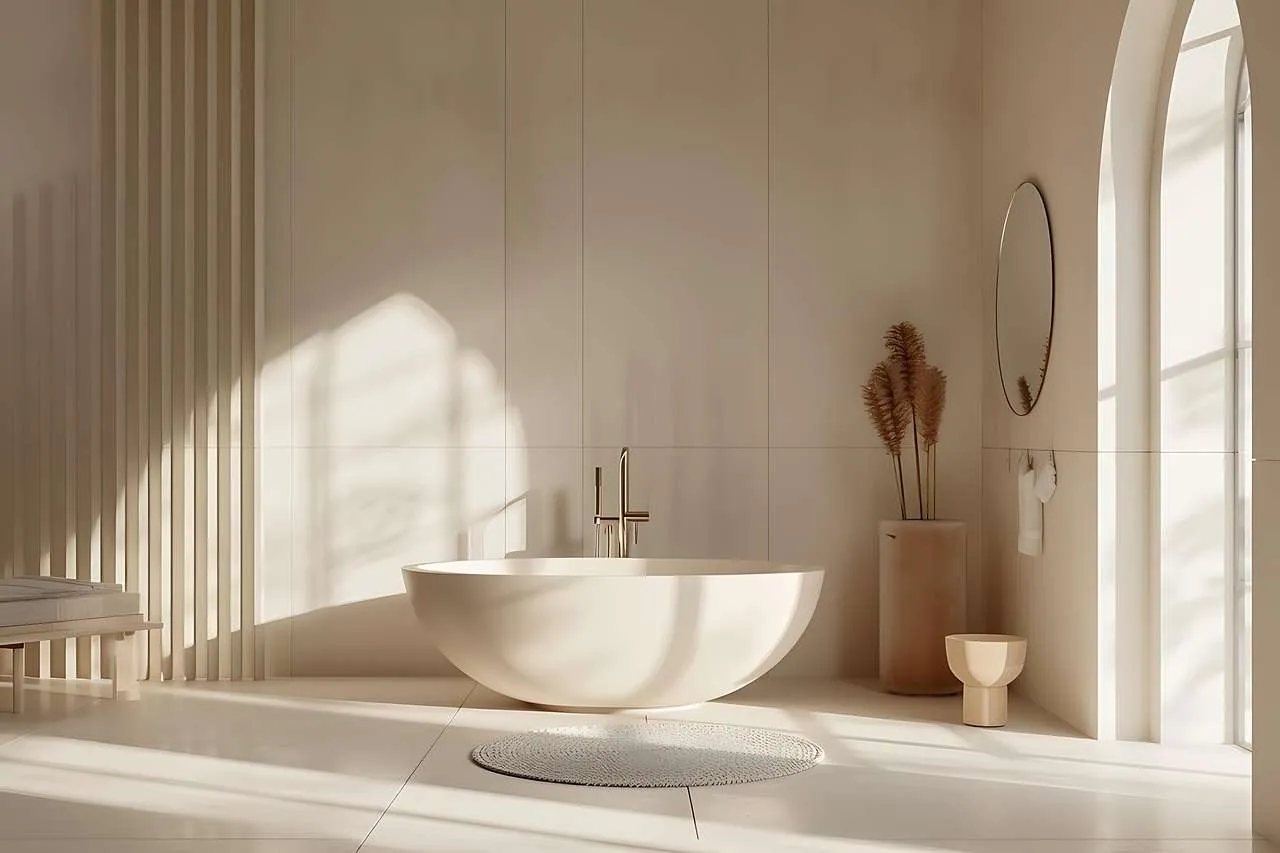
Consider a clear glass shower enclosure or a frameless door to reduce visual barriers. A compact shower stall or a corner shower maximizes usable floor space. In rare cases, a small freestanding tub can work if the room allows for generous footprint and flow.
Storage Solutions and Organization
Clutter is the enemy of small bathrooms. Built-in niches in the shower, recessed niches for toiletries, and wall-mounted storage help keep essentials within reach without stealing floor space. Use baskets, drawer organizers, and over-the-door racks to maintain order.
Smart Cabinetry and Accessories
Choose shallow drawers with dividers for cosmetics, and install a pull-out trash can behind a cabinet door to hide odors. Interior cabinet organizers and a small vanity with one deep drawer can provide surprising capacity without bulk.
Lighting and Ventilation
Layered lighting is essential in compact baths. Combine ambient ceiling lights with task lighting around the mirror and a moisture-rated accent light for mood. Ensure ventilation is strong enough to handle humidity, which protects finishes and sustains a fresh feel over time.
Practical Lighting Tips
Use LED fixtures for longevity and energy efficiency. Place task lighting at eye level to minimize shadows while grooming, and consider motion-activated exhaust fans for convenience in high-use homes.
Cost-Effective Upgrades and Materials
Durable, easy-to-clean materials create lasting value in small bathrooms. Porcelain or ceramic wall tiles with large formats reduce grout lines and create a seamless look. Glass panels, acrylic shower enclosures, and porcelain sinks balance durability with a light aesthetic. For floors, a non-slip porcelain tile with a subtle pattern can disguise wear while maintaining a clean appearance.
Comparison of Sink and Vanity Options
| Option | Pros | Cons | Best For |
|---|---|---|---|
| Wall-hung vanity | Creates floor space, easy cleaning, slim profile | Requires sturdy wall support, plumbing may need relocation | Small to mid-size baths prioritizing open feel |
| Corner sink | Maximizes awkward corners, unique style | Limited counter space | Extremely tight layouts |
| Pedestal sink | Open sight lines, cost-effective | No built-in storage | Very small powder rooms with minimal storage needs |
| Vessel or undermount sink with a slim vanity | Cleaner counter appearance, efficient storage | Higher water splash risk, cost varies | Modern, compact spaces with moderate storage needs |
Maintenance and Care
Maintenance matters in small baths because visible wear can make spaces feel cramped. Choose premium, stain-resistant surfaces and seal grout lines annually. Clean fixtures with non-abrasive cleaners to preserve luster, and inspect seals around shower doors and plumbing joints to prevent leaks that could undermine space efficiency over time.
Execution Plan: From Sketch to Finished Bath
Begin with a detailed measurement and a floor plan. Consider a 3D mockup or software sketch to test layouts before purchasing fixtures. Prioritize universal design principles—ergonomic heights, accessible storage, and durable, low-maintenance materials. If possible, consult a licensed professional for structural questions (like wall support for a wall-hung vanity) and to verify local plumbing codes. This guidance draws on experienced designers who emphasize measurement, material durability, and thoughtful lighting as pillars of credible, long-lasting small bathroom ideas.
Conclusion or Summary: Implement floating or wall-hung vanities to free floor space, use vertical storage and recessed niches to keep essentials at hand, select clear glass or frameless doors to visually open the room, and choose layered lighting with durable materials to create a space that feels larger than its footprint. By combining smart layouts, organized storage, and high-quality finishes, you can transform a small bathroom into a comfortable, functional, and stylish retreat.
Summary
Summary: The most effective small bathroom ideas balance layout, storage, lighting, and durable materials. Prioritize wall-mounted fixtures and vertical storage to free floor space, use mirrors to expand the visual field, choose clear glass enclosures to minimize visual barriers, and invest in layered lighting to improve mood and usability. With careful planning and quality components, a compact bathroom can deliver big style and practical comfort for daily routines.